Some days, your body is asking for one thing: slow down. Your shoulders are creeping toward your ears, your mind has been running all day, and an hour of quiet sounds pretty perfect. Other days, the problem is much more specific. That stubborn knot beside your shoulder blade is back, your lower back feels tight, or your legs are still reminding you about that workout from three days ago.
Both situations can send you searching for a massage, but they do not necessarily call for the same type. Swedish massage is generally centered around relaxation and flowing movements, while deep tissue massage takes a more targeted approach to muscular tension. Neither is automatically better. The right choice comes down to what your body is telling you and what you want to feel when you get off the table.
It Starts With What You Want From Your Massage
Deep tissue and Swedish massage can feel very different, but pressure alone does not tell the whole story. A Swedish massage can still include firm pressure, while deep tissue work does not need to feel painfully intense to be effective. The bigger difference is the goal behind the session and how the therapist works with your muscles.
Swedish massage typically uses longer, smoother strokes and rhythmic movements to encourage relaxation throughout the body. Deep tissue massage is more focused on persistent areas of tension and deeper layers of muscle and connective tissue. One may be perfect after a stressful week, while the other may make more sense when your back, shoulders, hips, or legs have been bothering you.
Swedish Massage Is Made for Slowing Things Down
Think about the kind of tension that builds after a packed week. Nothing necessarily hurts, but your neck feels stiff, your shoulders are tense, and you cannot remember the last time your entire body felt relaxed. Swedish massage can be a great fit when your main goal is to slow down and leave feeling refreshed. It may be right for you when:
- Stress has been leaving your entire body feeling tense.
- You want a relaxing full-body massage.
- You prefer light to moderate pressure.
- You are newer to massage and want a gentler experience.
- You do not have one particular problem area that needs extensive attention.
- You want time to mentally and physically recharge.
The flowing nature of Swedish massage is a big part of its appeal. Rather than spending most of the appointment concentrating on one stubborn muscle, the session can provide a more balanced, full-body experience.
When a Stubborn Knot Needs More Attention
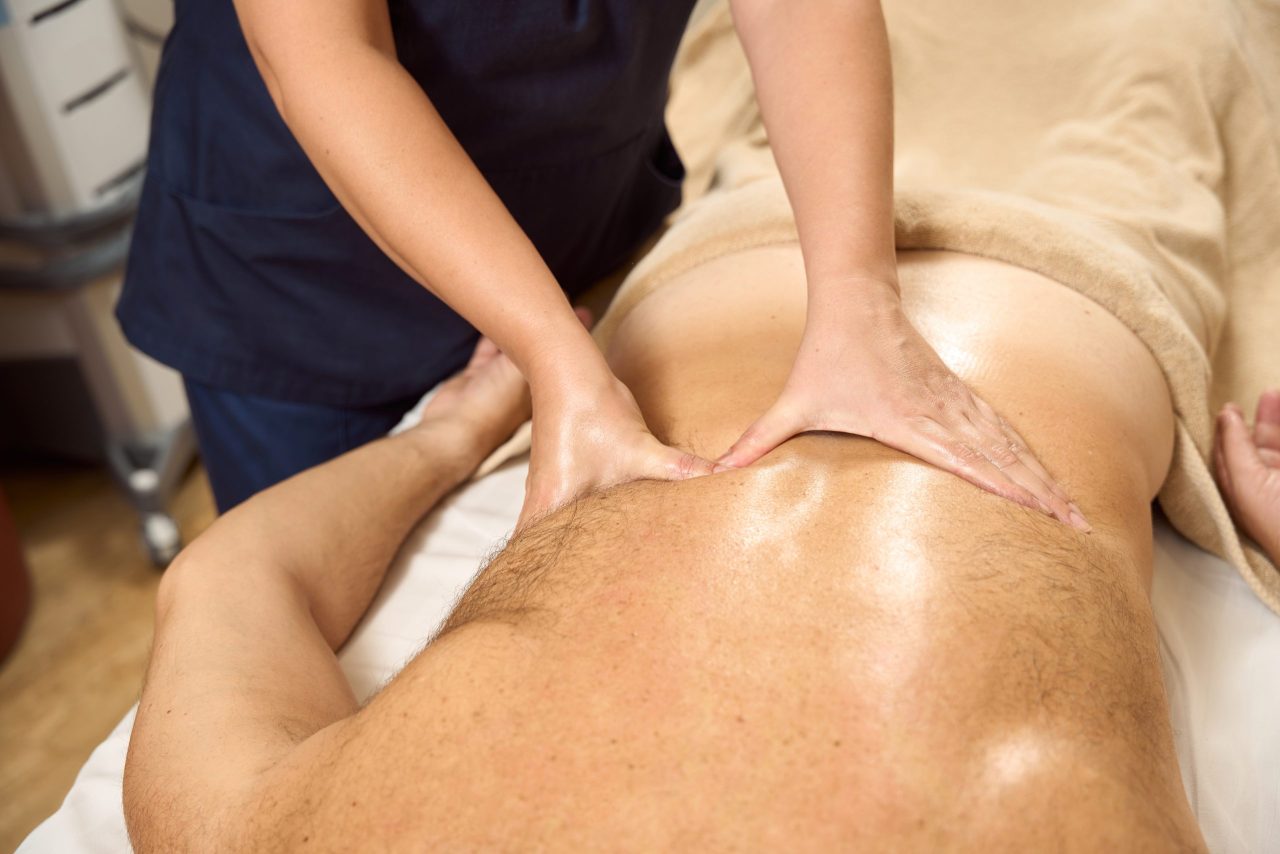
Sometimes relaxation sounds great, but it is not the main reason you booked the appointment. Maybe your shoulders constantly feel tight after sitting at a desk, your hips feel restricted, or the same spot in your back keeps bothering you. Deep tissue massage gives your therapist an opportunity to spend more focused time on those areas.
Deep Tissue Does Not Simply Mean Harder Pressure
The word “deep” can make people expect an hour of extremely heavy pressure. In reality, deep tissue work is more about reaching and working with deeper layers of muscle using slower, deliberate techniques.
Your therapist may spend additional time around a tight muscle or adjust the pressure as the area begins to respond. You should still be able to communicate throughout the massage. Feeling some intensity can happen, but you should never feel like you have to grit your teeth and endure the session.
Active Bodies May Appreciate the Extra Focus
Days spent boating, paddleboarding, biking, exercising, playing pickleball, working outside, or simply staying active around Safety Harbor can catch up with your muscles. Tightness may stick around even after you have rested.
Deep tissue massage can be especially appealing when you have recurring muscular tension, workout-related soreness, or particular areas that consistently feel tight and restricted.
What Do Swedish and Deep Tissue Massage Actually Feel Like?
The difference often becomes much clearer once you think about the experience itself. Swedish massage usually has a smooth, continuous rhythm. Your therapist works across larger areas of the body with movements intended to encourage overall relaxation and ease general tension.
Deep tissue massage tends to be slower and more deliberate. Your therapist may concentrate on specific muscles, spend additional time around a problem area, and adjust techniques depending on how your body responds. A simple way to choose is:
- Swedish massage: “I want my whole body to relax.”
- Deep tissue massage: “I need focused attention on this tight area.”
- A more customized approach: “I want to relax, but I also have a couple of problem spots.”
That last answer is common. Your body does not always fit neatly into one massage category, so telling your therapist what you want from the appointment is more useful than simply choosing based on the name.
More Pressure Is Not Automatically Better
It is easy to assume that if firm pressure feels good, even more pressure must work better. That is not necessarily the case. Effective massage should respond to your muscles rather than becoming a competition to see how much pressure you can tolerate. Pressure is also incredibly personal. What feels moderate to one person may feel intense to another. During either Swedish or deep tissue massage, let your therapist know when:
- The pressure feels too strong.
- You would prefer a little more pressure.
- An area feels particularly sensitive.
- You want more time spent on a certain muscle group.
- Something feels uncomfortable rather than productive.
Communication does not interrupt a massage. It helps your therapist make the session better suited to you.
Your Body Might Want Something Different This Time
You do not have to become a “Swedish massage person” or a “deep tissue person.” What feels right can change depending on your stress level, activity, work, travel, exercise, and how your body has been feeling lately. Paying attention to what is happening right now can make choosing much easier.
Choose Swedish When Relaxation Comes First
A Swedish massage may be your better match when you feel mentally drained, generally tense, or simply ready for an hour where nothing is demanding your attention. It can also be a comfortable choice if you have never had a professional massage before and are unsure how much pressure you enjoy.
Choose Deep Tissue When Tension Keeps Returning
Deep tissue may make more sense when you can immediately point to the areas that are bothering you. If your shoulders always feel tight, your lower back has been carrying extra tension, or certain muscles never seem to fully loosen, more targeted work may be what you are craving.
Your choice can change from appointment to appointment. After a hectic week, relaxation might win. After an active weekend on the water or a stretch of tough workouts, focused muscular work might move to the top of the list.
A Quick Conversation Can Make Your Massage Much Better
You do not need to know anatomy or massage terminology before your appointment. Simply explaining how you feel gives your therapist a useful starting point. “My shoulders have been really tight lately” or “I mostly want to relax, but my lower back needs some attention” says plenty.
Mention where you feel tension, how much pressure you typically enjoy, and what you hope to get out of your massage. It is also important to mention injuries, sensitive areas, or anything else that could affect your comfort. From there, your therapist can help shape the session around your needs instead of treating every body exactly the same.
Give Your Body the Massage It Is Asking For
The best massage is not necessarily the deepest one or the gentlest one. It is the one that fits how your body feels today. Swedish massage can give you the slower, calming experience you have been craving, while deep tissue massage can offer more focused attention when stubborn muscular tension keeps getting in the way.
Our team at Safety Harbor Therapeutic Massage Center helps clients throughout Safety Harbor, Florida, choose massage therapy based on their comfort, goals, and areas of concern. Whether you are ready to relax after a long week or your muscles are asking for more targeted therapeutic work, schedule your massage and give your body the attention it has been asking for.